

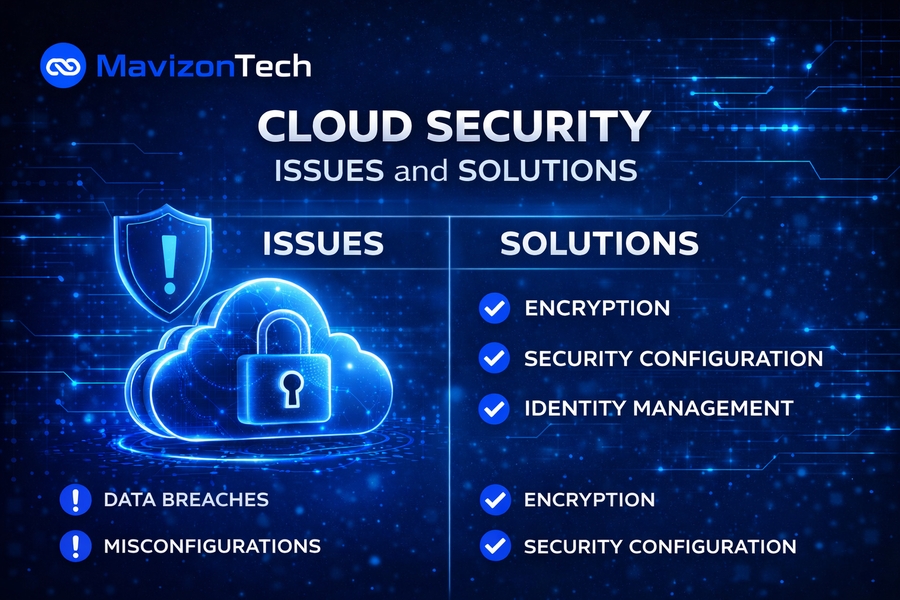
Cloud security has become a critical concern for businesses and individuals who store data in the cloud. As organizations increasingly migrate to the cloud, the importance of protecting sensitive information from breaches, attacks, and data loss grows exponentially. Cybercriminals exploit vulnerabilities in cloud systems to access valuable data, underscoring the need for companies to understand and implement robust security measures.
One of the primary challenges in cloud security is ensuring that data is adequately protected across different environments. Many businesses are unsure of how to ensure confidentiality, integrity, and availability (CIA) of their data in the cloud. This is where understanding what is CIA in cyber security becomes crucial, as it defines the foundation of cybersecurity protocols that must be followed to safeguard cloud systems.
Moreover, securing access to cloud environments remains a challenge for many companies. Unauthorized access, whether from internal threats or external attackers, is a primary concern. Organizations must employ stringent access control policies and multi-factor authentication to ensure that only authorized personnel can access critical systems and data.
Cloud Data Privacy and Compliance
As organizations store sensitive information in the cloud, maintaining data privacy becomes paramount. Compliance with data protection laws such as GDPR and CCPA is not only a legal obligation but also a key element of building trust with clients and customers. Many cloud service providers offer compliance frameworks to help organizations meet these regulations. However, it’s important to understand the nuances of data privacy across different cloud models and ensure that your organization is fully compliant.
Ensuring compliance with regulations is often shared between the cloud service provider and the customer. This model requires a clear understanding of roles and responsibilities, as data privacy in the cloud requires a joint effort. By leveraging data protection tools and strategies, organizations can enhance their data privacy posture. To learn more about critical aspects of ensuring cloud security compliance, explore resources such as what is confidentiality in cyber security: protecting sensitive data effectively.
Cloud Security Risks and How to Mitigate Them
The risks associated with cloud security include data breaches, misconfigurations, and denial-of-service (DoS) attacks. Misconfigurations are a major cause of security vulnerabilities, often arising when cloud resources are not properly configured or monitored. Cloud misconfigurations can expose sensitive data to unauthorized access, leading to breaches.
Implementing automated security checks, regular audits, and leveraging cloud-native security tools can help mitigate the risk of misconfigurations. Another key aspect is managing data encryption both at rest and in transit. Strong encryption practices ensure that sensitive data remains unreadable, even if intercepted by malicious actors. Additionally, keeping security patches up to date and monitoring for suspicious activity are fundamental to preventing attacks.
Learn about more threats and how to avoid them in the cloud with articles such as what is vishing in cyber security, a guide that explains common security threats and how organizations can protect themselves from phishing and other social engineering attacks.
Cloud Security in the Age of Remote Work
The rise of remote work has introduced new security challenges for organizations relying on cloud-based solutions. Remote work environments require secure access to cloud resources, with many employees connecting from various locations and devices. This decentralized approach increases the potential for security breaches and compromises.
To secure cloud environments for remote work, businesses must implement Zero Trust models that verify every access request before granting permission. Multi-factor authentication (MFA), strong password policies, and secure Virtual Private Networks (VPNs) are essential elements of a comprehensive security framework. Additionally, organizations should use cloud-based security tools to monitor remote access and prevent unauthorized attempts to access critical data.
For those looking to strengthen their understanding of remote work security, resources like what is the first step in app development can offer valuable insights into integrating cloud security into the app development process and ensuring secure app usage.
Protecting Cloud Infrastructure
Securing the underlying infrastructure of cloud systems is crucial to preventing attacks that target system vulnerabilities. Cloud service providers often employ various security measures such as firewalls, intrusion detection systems, and disaster recovery solutions. However, organizations must also take responsibility for securing their infrastructure by regularly updating software, patching vulnerabilities, and deploying additional layers of protection.
One critical approach to securing cloud infrastructure is network segmentation. This technique isolates sensitive data and systems from other less secure parts of the network, preventing unauthorized access and minimizing the impact of a breach. Regular vulnerability assessments and security penetration testing also help identify weaknesses in infrastructure before attackers can exploit them.
For more in-depth knowledge on the different aspects of cloud security, explore how to learn cloud computing. This guide provides a comprehensive roadmap for professionals seeking to enhance their cloud security expertise.
Disaster Recovery and Business Continuity in the Cloud
Cloud services provide businesses with powerful disaster recovery and business continuity solutions. These solutions ensure that data is backed up and accessible, even in the event of a system failure or cyberattack. However, the effectiveness of these solutions depends on how well they are integrated into an organization’s overall business continuity plan.
It is essential to regularly test disaster recovery procedures and update backup systems to ensure that they function correctly during an emergency. Additionally, businesses should consider hybrid cloud solutions that combine on-premises infrastructure with cloud resources to provide additional redundancy and fault tolerance.
By proactively planning for potential disruptions, organizations can quickly recover from incidents, minimizing downtime and protecting business operations. To learn more about how to build resilience in your cloud environment, learn what risk management in cybersecurity is and how to assess and mitigate risks.
Cloud Security Best Practices for Organizations
To maintain robust security, businesses must adopt a proactive approach to cloud security, regularly reviewing policies, conducting risk assessments, and implementing best practices. One effective practice is establishing clear security policies and educating employees on the importance of cloud security. Training programs should focus on common threats like phishing, social engineering, and the risks associated with using unsecured public Wi-Fi networks.
Another key best practice is to perform regular security audits and updates. Cyber threats evolve rapidly, and security protocols must keep pace with these changes. Staying ahead of potential threats requires constant vigilance and an adaptive security strategy. As businesses scale their cloud environments, it’s critical to invest in security solutions that offer real-time monitoring and threat detection.
For organizations looking to understand the best cloud security practices, what degree do you need for cyber security can offer insights into the skills and certifications necessary for a career in cyber security, ensuring a knowledgeable workforce to implement these strategies.
Conclusion
Cloud security is an ongoing challenge for organizations, but with the right practices and tools in place, it is possible to mitigate risks and protect valuable data. From understanding the CIA triad to implementing strong encryption methods and access controls, securing the cloud requires a multifaceted approach. With the growing number of security risks, businesses must stay vigilant, continually adapting to new threats and evolving their strategies.
By focusing on best practices and leveraging robust security tools, organizations can safeguard their cloud environments and ensure data remains secure. As we continue to depend on cloud technology, securing these systems will only become more critical to the long-term success of businesses globally.